The Importance of Long-tail Keywords for SaaS SEO
Long-tail keywords sit at the core of modern SaaS SEO because they reflect how real buyers actually search. Instead of typing broad terms like “CRM software,” today’s users search with detailed, intent-driven phrases such as “best CRM for small real estate teams with automation.” These are known as long-tail keywords, typically longer, more specific search queries that reveal exactly what a user wants and where they are in the buying journey.
This shift isn’t small; it defines how search works today. In fact, around 70% of all search traffic comes from long-tail keywords. That means most of your potential customers are using precise language to find solutions that match their exact needs. For SaaS companies, this creates a massive opportunity to attract high-intent users who are far more likely to convert into trials, demos, or paying customers.
Unlike short-tail keywords, which are highly competitive and often dominated by large brands, long-tail keywords offer a more strategic path to growth. They bring in lower-volume traffic individually, but collectively they drive consistent, qualified visits with stronger intent. More importantly, they align perfectly with how modern search engines, and AI-powered systems, understand and rank content: based on relevance, specificity, and user intent.

Key Takeaways
- Target specific search phrases to reach high-intent users.
- Match page text to real user queries and buying stages.
- Use lightweight tools to uncover valuable niche terms.
- Track performance and refine phrasing based on data.
- A focused approach can boost qualified demo bookings and growth.
Understanding the Search Demand Curve
Search demand follows a clear curve: a few broad queries draw huge volume, while millions of niche phrases sit way down the tail. This shape explains why some pages chase massive traffic while others win steady, targeted visits.
The Fat Head
The fat head contains short-tail keywords that pull the biggest search volume. Big legacy sites own many of these spots. New companies face fierce competition and low odds of ranking here.
The Chunky Middle
The chunky middle blends moderate-volume queries and specific user intent. Targeting these pages can yield measurable results. Teams often split time between brand pages and these middle queries.
The Long-tail
The long-tail holds billions of narrow queries. These phrases act like an isolated lemonade stand: low competition yet clear intent.
- Match pages to real queries to get better results from search engines.
- Analyze search volume to see which keyword or page offers the best opportunity.
- As users shift toward conversational Google search in 2025, specific queries will matter more.
The Importance of Long-tail Keywords for SaaS SEO
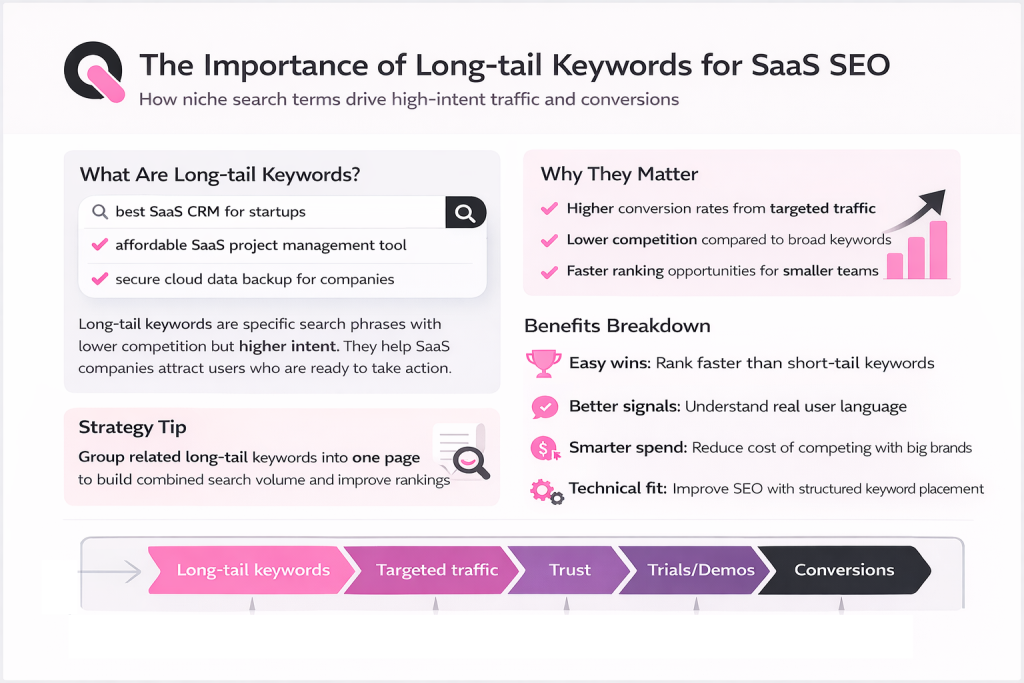
Niche search phrases let smaller teams capture high-intent visitors that large brands miss. Targeted terms bring traffic that converts. That makes each visit more valuable to product trials and demos.
Group related terms on a single page to build collective search volume. A cluster of specific queries can match or beat a single broad phrase. This lowers competition and speeds visibility.
Write clear content that answers exact user questions. When pages solve a real problem, your brand gains trust. That trust helps marketing and turns casual visitors into leads.
- Easy wins: specific queries are simpler to rank than short-tail keywords.
- Better signals: proper keyword research reveals the language your audience uses.
- Smarter spend: focused searches cut the budget needed to compete with larger sites.
- Technical fit: integrating terms into page structure helps search engines categorize your content.
Why Long-Tail Queries Are Essential in the AI Era
AI has changed how people phrase their searches, favoring natural, question-style queries. Voice assistants and chatbots push users toward full sentences. That shift makes precise queries more valuable than broad, high-volume searches.
Voice Search and Natural Language
Voice tools like Alexa and Siri use natural language processing. Users ask conversational questions rather than short inputs. Pages that answer those exact questions stand a better chance of appearing in spoken results and device screens.
AI Chatbots and Query Fan-out
Modern chat systems, including Google AI Overviews, break a single request into many sub-queries. These tools often cite three sources when constructing an answer. Appearing in those cited results can boost visibility even without a direct click.
- Target specific queries to match AI phrasing and capture users earlier in the funnel.
- Provide concise answers so chat systems can pull fragments into responses.
- Focus content to beat competitors that still chase broad, noisy search volume like “Japanese restaurants near me.”
Identifying Search Intent Through Specificity
Specific phrasing in queries reveals whether a user wants to learn, compare, or buy. That clarity makes it far easier to match a page to real needs and present the right content at the right stage.
Use narrow phrases to spot intent. A search like “which CRM is best for email marketing” tells you the user seeks product recommendations and usability details. Build a page that answers that exact question and includes specs, reviews, and buying links.
Data matters: targeted phrases convert at much higher rates. With an average conversion rate near 36%, these terms outpace many standard landing pages at 11.45%. That gap shows why specificity should guide topic choice and page structure.
- Match content to intent to guide visitors down the funnel.
- Align product pages with precise queries to raise conversion rates.
- Filter out low-quality traffic by using detailed search phrases.
Regularly analyze query patterns and search volume. When you tune each keyword to user intent, pages perform better and deliver clearer results to both people and search engines.
Proven Methods to Find Long-tail Keywords
Finding niche search phrases gives teams clear, low-competition paths to real users. Use a mix of tools and manual checks to build a practical list that feeds content and product pages.
Leveraging Keyword Research Tools
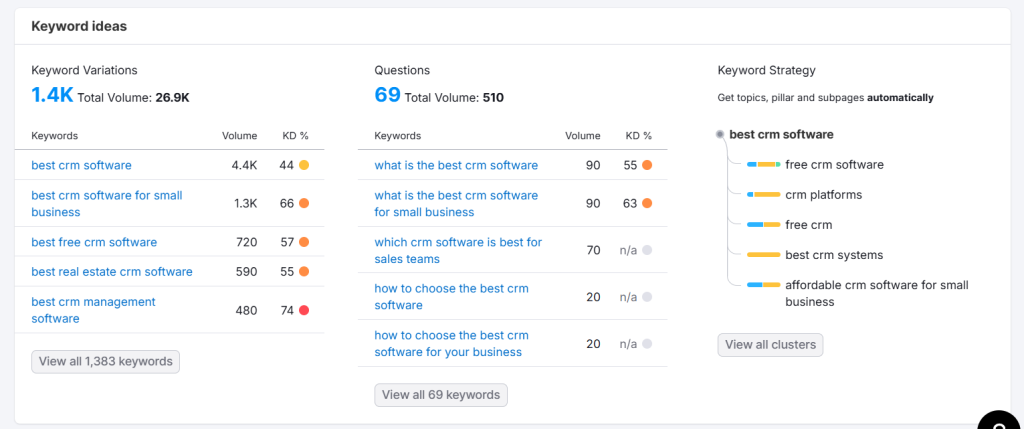
Semrush is a fast way to explore phrase ideas. Its Keyword Magic Tool taps 27.2 billion entries and helps you filter by search volume and difficulty.
Apply filters to surface achievable terms, then export a shortlist of keyword ideas with search intent tags. This creates a steady stream of new page topics and content angles.
Analyzing Competitor Rankings
Scan competitor pages to see which queries drive traffic and ranking gains. Look for specific queries they rank in the top 10; those are prime targets.
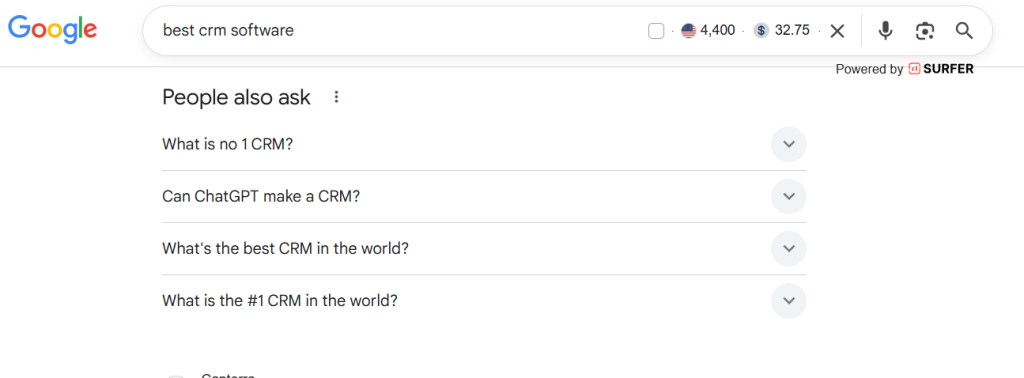
- Check People Also Ask boxes and Google autocomplete to harvest real user questions.
- Use Google Search Console to spot phrases your site already ranks for and expand them into full pages.
- Engage forums like Reddit and Quora to capture the audience language behind queries.
Strategic Implementation for SaaS Content
Map user journeys to clear content types so each page answers a specific need. Group related keywords into clusters that a single article or guide can own.
Use storytelling for informational intent. Short case narratives make technical topics relatable and help convert curious readers into leads.
Create in-depth buyer’s guides for commercial intent. Compare features, list trade-offs, and link to product pages to help users weigh options.
- Use case studies and testimonials to support transactional searches and reduce friction in buying decisions.
- Place target phrases naturally in headings and body copy on landing pages to keep the experience smooth.
- Align every page with one primary intent so visitors find the right answer fast.
| Implementation | Content Type | Intent Targeted | Expected Outcome |
| Keyword clustering | Cornerstone article | Informational | Higher topical authority and steady traffic |
| Story-driven pieces | Blog case study | Informational | Better engagement and trust |
| Buyer comparisons | Guide / comparison | Commercial | Improved conversions and qualified leads |
| Social proof | Landing + testimonials | Transactional | Higher signup and demo rates |
Regularly refresh pages to add new terms and stay ahead of competitors. Focus on helpfulness and topical expertise to satisfy both search and real users.
Tracking Performance and Conversion Metrics
Track how targeted pages move in search results to see which topics turn into real revenue. Start with a clear measurement plan that ties each page to a business goal. Use simple weekly checks and monthly deep dives.
Monitoring Organic Growth and ROI
Use tools like Google Search Console and Semrush to monitor ranking, clicks, and impressions for each targeted keyword. Watch CTR, position, and search volume shifts to spot what needs editing.
- Measure conversion rates to see which search queries drive revenue.
- Analyze page position versus competitor results to find gains or gaps.
- Set attribution models so you can link a landing page to pipeline outcomes and lifetime value.
| Metric | What to Track | Action |
| Ranking | Position per keyword and queries | Update content and headings to improve intent match |
| Engagement | CTR and time on page | Test titles and add clearer answers to user questions |
| Revenue | Conversions by landing and product page | Refine keyword research and reallocate marketing spend |
Review data regularly. Small, steady changes based on tracked results will improve conversion rates and organic growth over time.
🚀 How Queen of Clicks Empowers SaaS Growth
Queen of Clicks turns precise search data into growth plans that scale with product demand. We blend targeted long-tail research with practical audits to spot low-competition chances that convert.
Our team maps niche keywords to clear page roles and builds content that answers buyer questions fast. We use proven tools and analytics to pick terms that match intent and drive demo-ready visits.
- Strategic targeting: tailored keyword plans that boost qualified traffic and trial signups.
- Advanced tools: data-driven research to uncover the best search opportunities for your product.
- High-converting content: pages written to guide users from question to demo.
- Transparent reporting: clear metrics that show the ROI of your marketing and technical work.
- Full-service support: a team that aligns site health, keyword use, and messaging with growth goals.
Book a call with Queen of Clicks to discuss a growth plan tailored to your needs. Let us show how focused work on the right phrases and content can lift visibility and steady revenue.

Conclusion
Small, specific search phrases often bring the most qualified visitors to your product pages. Targeted long-tail keywords capture clear intent and drive demo-ready traffic with lower competition.
Build content that answers real questions and map each page to a single user need. Good keyword research and steady tracking keep your pages aligned with search volume and search engine signals.
With AI and voice trends, conversational queries will shape discovery. Keep testing terms, refine headings, and measure conversions to protect visibility and grow users.
Start implementing this strategy now to turn niche queries into reliable results and long-term growth.
FAQs
Can long-tail keywords work for new SaaS websites with low authority?
Yes, they are especially effective for new sites. Since competition is lower, smaller SaaS brands can gain visibility and traffic without needing a strong backlink profile.
Should long-tail keywords be used only in blog content?
No, they should also be integrated into product pages, landing pages, FAQs, and even help documentation. This ensures coverage across all stages of the buyer journey.
What is the ideal content length for targeting long-tail keywords?
There’s no fixed length, but content should fully answer the query. Typically, 800–2,000 words works well for blog posts, while landing pages should stay concise and conversion-focused.
How often should you update pages targeting long-tail keywords?
Review and update these pages every 3–6 months. Refreshing content with new data, keywords, and insights helps maintain rankings and improve performance.
Do long-tail keywords help with voice search optimization?
Yes, they are crucial for voice search. Since users speak in full sentences, long-tail phrases closely match how queries are naturally spoken.