How to Perform Competitive SEO Analysis for SaaS Companies
SaaS SEO is highly competitive, and guessing your strategy won’t get you far. To grow consistently, you need to understand exactly why other SaaS companies are ranking, attracting traffic, and converting users. That’s where competitive SEO analysis comes in.
For SaaS companies, this means going beyond basic keyword research. You need to identify competitors’ ranking for product-led, high-intent queries, analyze their top-performing pages, and uncover gaps in their content. Look at how they structure comparison pages, feature pages, and blog content, what keywords drive trials or demos, and where their backlinks come from. Then use those insights to build content that targets the same intent, but delivers more value and better conversion paths.
This is the approach used by Queen of Clicks, a SaaS SEO agency that helps companies turn competitor insights into scalable organic growth. We focus on keyword gaps, revenue-driven content, and authority building, and SaaS brands compete and win.

Key Takeaways
- Rapid market growth makes search presence essential for SaaS companies.
- Use a focused audit to spot content gaps and weak pages.
- Track keywords and rival pages to shape an effective strategy.
- Apply tools and data to boost rankings and organic traffic.
- Prioritize customer intent to turn visitors into loyal users.
Why Is SEO Important for SaaS Companies
Subscription software is expanding rapidly, forcing vendors to fight for scarce search attention. The global market for subscription software is growing fast at about 20.6% year-on-year, and it is on track to hit $716.52 billion by 2028. That expansion makes search visibility vital for modern software firms.
The Growth of the SaaS Market
More buyers now research longer before choosing a subscription. That means higher competition for organic visibility and more pressure on content and site performance. Good rankings bring steady traffic and qualified leads.
Unique Challenges of SaaS SEO
SaaS products often need deep, technical pages that explain features and business outcomes. Search engines favor authoritative content that solves business problems, not just product pages.
- Complex sales cycles demand content that matches stages in the buyer journey.
- Technical needs, integrations, pricing tiers, project management features, require precise site structure.
- Top competitors use data and tools to refine strategy and outrank generic pages.
| Content Type | Ranking Challenge | Quick Fix |
| Feature pages | Low intent, high competition | Focus on outcomes and clear keyword mapping |
| Case studies | Hard to scale | Standardize templates and cite data |
| Technical docs | Indexing and structure issues | Use clear headings and structured data |
Why You Must Perform Competitive SEO Analysis for SaaS Companies
When search results decide buyer attention, top listings deliver disproportionate gains. The top three positions grab about 54.4% of clicks, so rankings matter for revenue and growth.
Running a focused competitor analysis lets a saas company spot keyword and content gaps rivals exploit. That insight shows which pages drive traffic and which topics convert visitors into customers.
Auditing rivals also helps refine an SEO strategy. Prioritize high-conversion keywords rather than chasing volume alone. Use that data to shape content that matches buyer intent and raises site authority.
- Identify missing pages: find topics competitors rank for but you don’t.
- Target high-value keywords: aim for buyer-focused phrases with clear intent.
- Use tools and data: track rankings, backlinks, and user signals to guide work.
| Focus Area | Benefit | Action |
| Keyword gaps | Uncovered traffic opportunities | Create targeted landing pages |
| Content quality | Higher engagement and conversions | Match buyer intent and cite data |
| Competitor pages | Benchmark for rankings | Audit structure and replicate wins |
| Analytical tools | Measurable results | Set tracking and iterate |
How to Identify Your Direct and Indirect Competitors
A quick audit of search results plus review platforms reveals both direct rivals and unexpected alternatives. List brands that chase the same buyers and map where they appear in search and on review sites.
Finding Competitors via Search and Review Sites
Run a focused Google search for niche keywords tied to product features, integrations, or project management needs. Capture the top pages and note which names repeat across results.
Use review platforms such as G2, Capterra, and TrustRadius to build a wider view. These sites show alternatives that may not rank high in search yet attract the same audience.
- Analyze at least five competitors to cover direct and indirect threats.
- Compare their content, pricing pages, and customer signals.
- Categorize rivals by market role: direct, adjacent, or niche.
| Source | Type | What to record |
| Google results | Search-ranked competitors | Top pages, rankings, and target keywords |
| Review sites | User-trusted alternatives | Feature comparisons, reviews, and buyer pain points |
| Industry lists | Adjacent players | Product overlaps and potential traffic sources |
Queen of Clicks can help sort this list and align your content strategy with the needs of your target customer base. That clarity makes it easier to win valuable traffic and improve long-term rankings.
How to Analyze Target Keywords and Search Intent
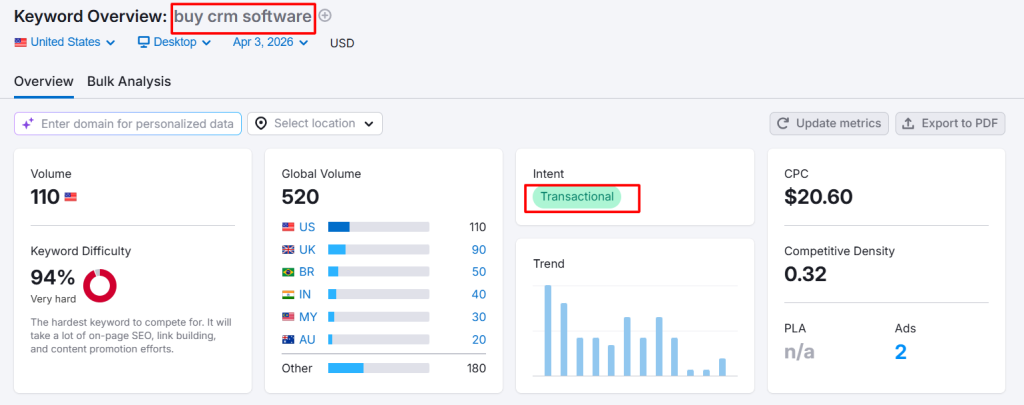
Pinpointing which phrases signal research versus purchase intent makes keyword work far more effective. Begin with intent mapping so each page serves a clear role in the buyer journey. This reduces wasted effort and improves conversions.
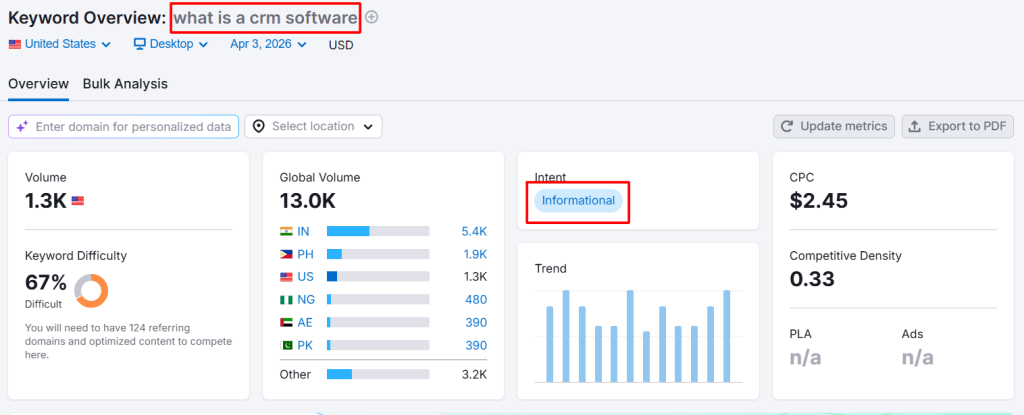
Informational vs Transactional Intent
Informational queries aim to educate. These pages build trust and attract broad organic traffic. Transactional queries show buyer readiness and deserve focused landing pages that convert.
Identifying Keyword Gaps
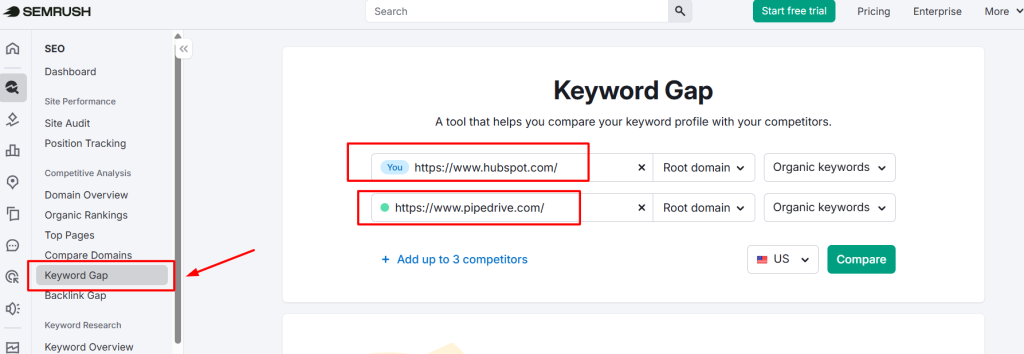
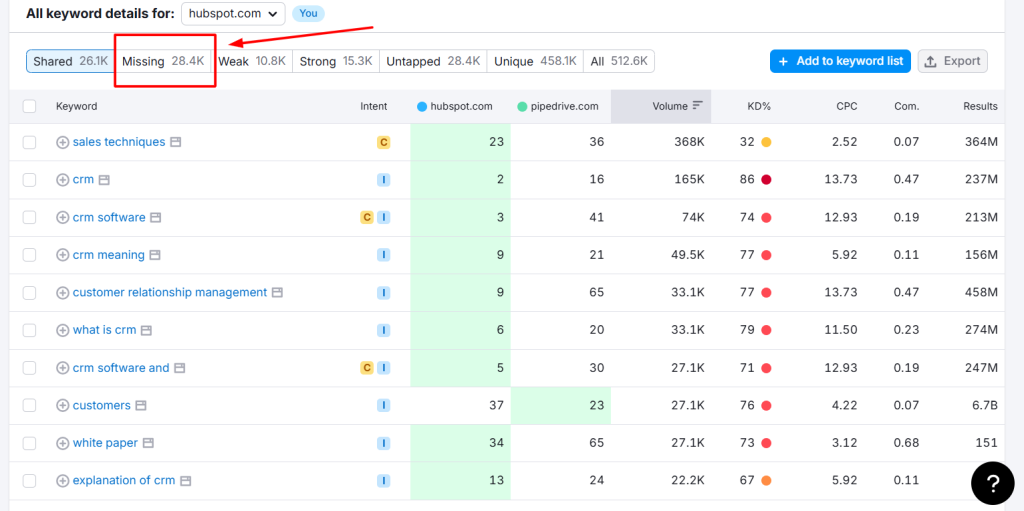
Compare your rankings with top rivals and note missing topic clusters. Spot gaps by listing high-value keywords your site lacks, then prioritize pages that match buyer intent and commercial value.
Using Keyword Research Tools
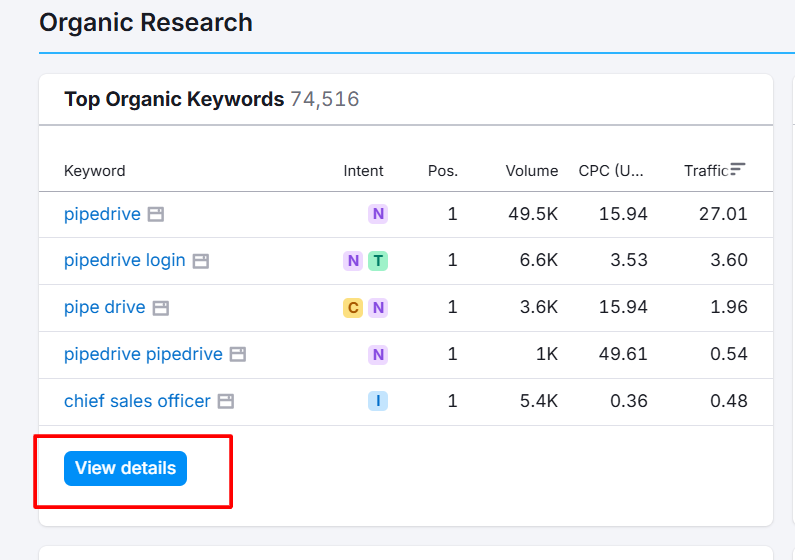
Use tools like Ahrefs and Semrush to pull competitor keyword sets, volume, and intent signals. Those reports reveal pages that win traffic and convert.
- Audit keywords: export rival terms and tag intent.
- Prioritize pages: focus on high-conversion phrases first.
- Iterate: test titles, CTAs, and content depth based on data.
How to Audit Competitor Backlink Profiles
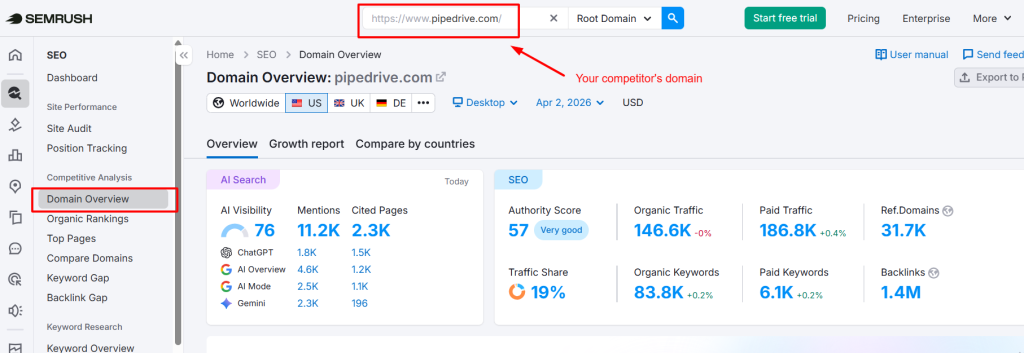
Backlink profiles reveal which external sites trust your rivals and where your domain misses valuable endorsements.
Expore referring domains with trusted tools. Look for high-authority publishers, industry blogs, and review sites that link to rival pages but not yours.
Prioritize links that send real referral traffic and match your product topics. Quality matters more than raw counts; a mention on a major industry site beats dozens of low-value directories.
- Identify non-overlapping domains that can be targeted for outreach.
- Map link sources to content types so outreach aligns with existing pages.
- Use outreach templates that offer value, such as data, guest posts, or case studies.
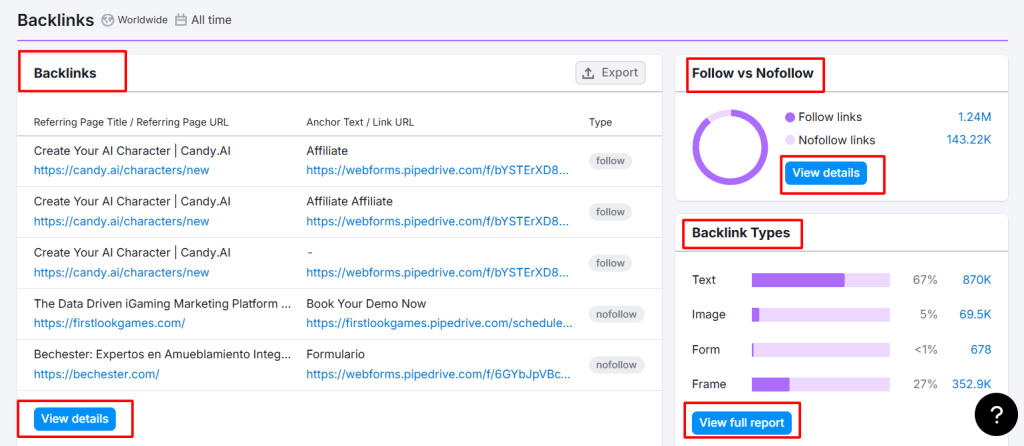
Queen of Clicks helps SaaS companies build a targeted strategy that wins authoritative mentions and measurable results.
How to Evaluate Site Architecture and User Experience
Clear site structure guides both visitors and search engines toward your most valuable pages. A predictable layout reduces friction and helps pages index properly.
Mobile Optimization and Page Speed
More than half of B2B research begins on phones, so mobile readiness is essential. Slow landing pages that load in over 3 seconds lose visitors and reduce conversions.
We use tools like Ahrefs and Semrush to find crawlability issues, broken links, and poor redirects. Fixes here improve crawl budget and rankings.
- Prioritize fast, responsive templates that serve content quickly.
- Compress images, defer noncritical scripts, and enable caching.
- Map internal links so users and bots reach deep content without loops.
| Issue | Metric | Immediate Action | Expected Result |
| Slow pages | Load time >3s | Compress assets, lazy-load images | Lower bounce, higher organic traffic |
| Poor mobile UX | Mobile usability errors | Adopt responsive layout, touch targets | Better engagement, improved search results |
| Indexing gaps | Low crawl rate | Fix sitemap, resolve robots rules | More pages indexed, higher rankings |
Queen of Clicks ensures your SaaS company has a technically sound site that supports content and conversion goals within an actionable SEO strategy.
How to Monitor Social Media and Customer Interaction
Watching public conversations online uncovers competitor moves and customer sentiment fast. Social channels reveal what content wins, which posts spark questions, and where the audience spends time.
Use tools like BuzzSumo or Hootsuite to map top-performing content and monitor multiple rivals from one dashboard. These platforms show follower growth, post cadence, and the networks that drive the most engagement.
Analyze social signals as part of your broader competitor analysis. That data offers clues about user experience, product pain points, and which pages deserve improved content or links.
- Track mentions and sentiment to spot product issues and feature requests.
- Compare engagement metrics across platforms and measure traffic impact.
- Feed social insights into your content and link outreach strategy.
| Metric | What it reveals | Action |
| Share volume | Content interest | Replicate formats that drive clicks |
| Engagement rate | User preference | Adjust headlines and CTAs |
| Mention sentiment | Customer pain points | Inform product and support pages |
Queen of Clicks helps integrate social listening into an SEO strategy so your company stays visible, trusted, and ahead in search results.
How to Leverage Technical SEO Insights
Small code and markup fixes can unlock big gains in visibility and clicks. A focused technical audit makes pages easier for search engines to read and helps content earn enhanced listings in search results.
Schema Markup and Structured Data
Implement structured data where it matches page intent. Proper schema helps search engines classify offerings, reviews, FAQs, and events. That can lead to rich snippets and higher click-through rates.
- Mark product features, pricing, and reviews with schema types.
- Validate code with testing tools and fix errors quickly.
- Use schema to support link building and content authority.
XML Sitemaps and Indexing
Keep an XML sitemap current and submit it through Google Search Console. Regular sitemap maintenance makes sure high-value pages get crawled and indexed.
- Audit the sitemap quarterly to catch indexation gaps.
- Use tools like Ahrefs to find broken links and crawl errors.
- Prioritize pages that drive traffic and conversions when updating the sitemap.
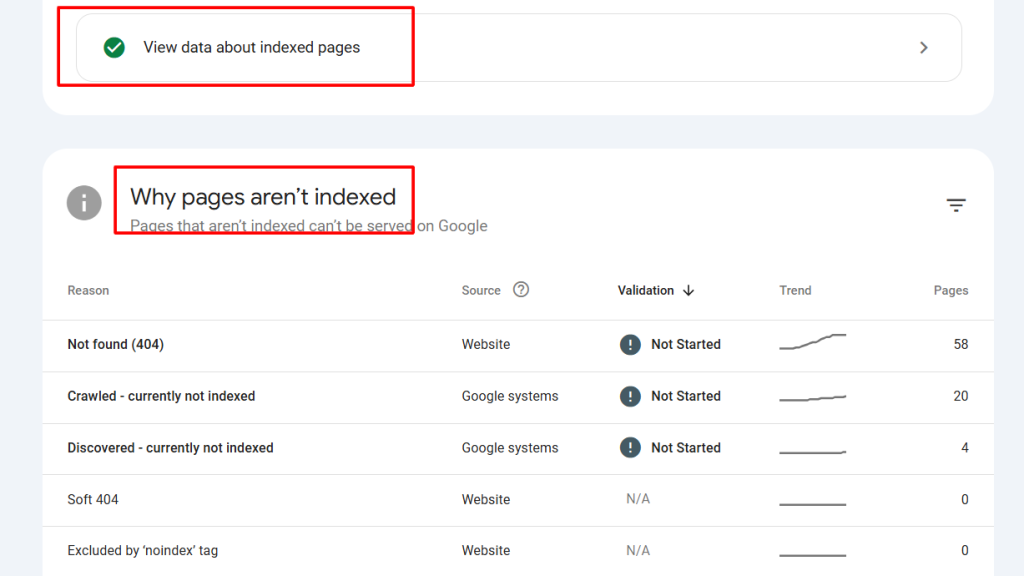
Queen of Clicks provides technical expertise for SaaS businesses, helping your site scale with clean markup, healthy sitemaps, and ongoing audits that protect rankings and drive results.
How to Adapt Your Content Strategy Based on Data
Turn content performance data into a clear roadmap that favors intent-driven pages and proven topics. Use traffic signals, engagement metrics, and conversion paths to drop low-return themes and double down on pages that nurture buyers.
Create comprehensive pillar pages that cover broad industry topics and support them with focused spoke articles. This structure builds topical authority and gives link building opportunities and natural anchor points.
Analyze existing pieces to spot pages that guide prospects through consideration and decision stages. Refresh high-potential posts, merge thin assets, and retire stale content to keep the site lean and effective.
- Align the editorial calendar with product launches and industry events to keep content timely and relevant.
- Use tools and regular reporting to track results, then iterate headline, CTA, and depth based on data.
| Action | Signal | Outcome |
| Pillar creation | High search interest, broad intent | Stronger topical authority and internal linking |
| Content refresh | Rising impressions, low conversions | Better engagement and higher organic traffic |
| Content pruning | Low traffic, high maintenance | Improved site quality and crawl efficiency |
How to Measure Performance and Refine Tactics
Measure progress with indicators that link search visibility to real customer actions. Tracking the right numbers shows which pages earn attention and which ones need work.
Key metrics matter:
- Organic traffic and organic search trends.
- Demo requests, free trial signups, and on-site conversions.
- Keyword rankings and shifts in search intent.
Because 27% of a B2B buyer’s research happens online, use tools like Ahrefs to monitor how visibility influences the customer journey. Apply multi-touch attribution so SEO strategy and content get proper credit in conversion paths.
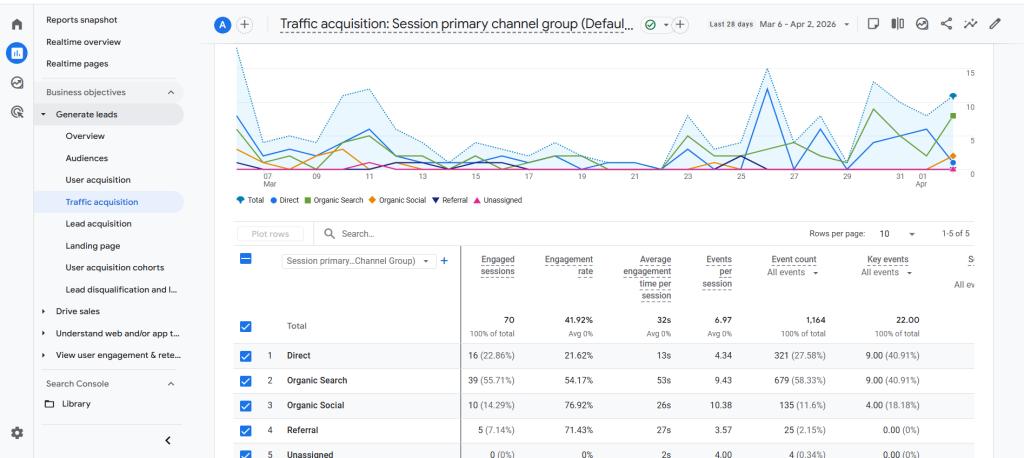
Queen of Clicks provides reporting and analysis that refines tactics over time. Regular reviews keep your site aligned with market needs and drive sustainable revenue for your SaaS business.
🚀 How Queen of Clicks Helps SaaS Businesses Scale
Queen of Clicks turns search and content data into a repeatable growth engine for subscription platforms. We focus on measurable gains that lift rankings and drive qualified traffic.
Our process pairs deep keyword research with site fixes and content planning. That mix improves visibility and moves prospects through the funnel.
- Data-driven strategy that aligns content and pages with buyer intent.
- Deep-dive competitor reports that expose keyword and content gaps.
- Technical audits that fix architecture, speed, and indexing issues.
- Custom link-building campaigns for project management and niche verticals.
- Ongoing tracking with tools and regular reports to monitor results and adapt strategy.
Book a call with our experts to discuss a tailored plan for your SaaS company. We walk through goals, current site health, and a roadmap that targets growth.

Conclusion
Winning search is a marathon of data, fixes, and clear content priorities.
Commit to ongoing measurement and an adaptable SEO strategy that answers signals from search engines and users. Focus on high-intent keywords and steady link building to protect visibility in Google search and crowded search results.
Use competitor analysis and technical tuning to find gaps in pages, content, and backlinks. Treat improvements as continuous work, not a one-off project.
If your SaaS team wants a partner that maps priorities and executes the plan, Queen of Clicks can help you scale traffic and turn organic visits into customers.
FAQs
How Often Should SaaS Companies Perform a Competitive SEO Analysis?
SaaS companies should run a full competitive SEO analysis every 3–6 months, with lighter monthly check-ins. This ensures you stay aligned with changing rankings, new competitors, and evolving search intent.
What Are the Best Tools for SaaS Competitive SEO Analysis?
Popular tools include Ahrefs and Semrush. These platforms help you analyze competitor keywords, backlinks, rankings, and technical performance in one place.
What Is the Difference Between Direct and SEO Competitors in SaaS?
Direct competitors sell similar products, while SEO competitors are websites ranking for your target keywords. In SaaS, these are often different, making SEO analysis even more important.
How Do You Turn Competitor Insights into a Content Strategy?
Use competitor data to build targeted pages that match search intent. Prioritize high-conversion topics, improve content depth, and create clear CTAs to drive demos or trials.
Should SaaS Companies Focus More on Content or Backlinks?
Both are essential. High-quality content attracts traffic and conversions, while backlinks build authority. A balanced strategy delivers the best long-term results.
When Should You Consider Hiring a SaaS SEO Agency?
If your internal team lacks time, expertise, or consistent results, hiring a specialized SaaS SEO agency like Queen of Clicks can help you scale faster with a proven, data-driven approach.