SEO Content for SaaS to Win and Dominate Organic Search
SEO content for a SaaS company is the strategic creation of information, like blog posts, landing pages, help guides, and keyword-focused resources, designed specifically to rank in search engines, attract qualified organic traffic, and convert visitors into trials or customers. Unlike generic marketing content, SaaS SEO targets the intent of users searching for solutions your software solves, educates potential buyers throughout the funnel, and builds long-term authority that compounds organic growth over time.
The impact of this approach can’t be overstated: SaaS companies with active blogs generate 67% more leads per month than those without one, showing how SEO content directly fuels lead generation and discovery in a competitive market.
Key Takeaways
- SEO content for SaaS works only when it targets real product use cases, buyer intent, and conversion, not just traffic.
- A strong SaaS SEO strategy aligns content with the entire customer journey, from problem awareness to trial and retention.
- High-performing SaaS SEO content blends keyword research, product knowledge, and technical optimization to scale organic acquisition.
- SEO delivers long-term ROI for SaaS companies by compounding qualified traffic and reducing customer acquisition costs over time.
- Measuring success requires tracking both organic visibility and downstream metrics like trials, demos, and revenue impact.
What Is SEO for SaaS Companies
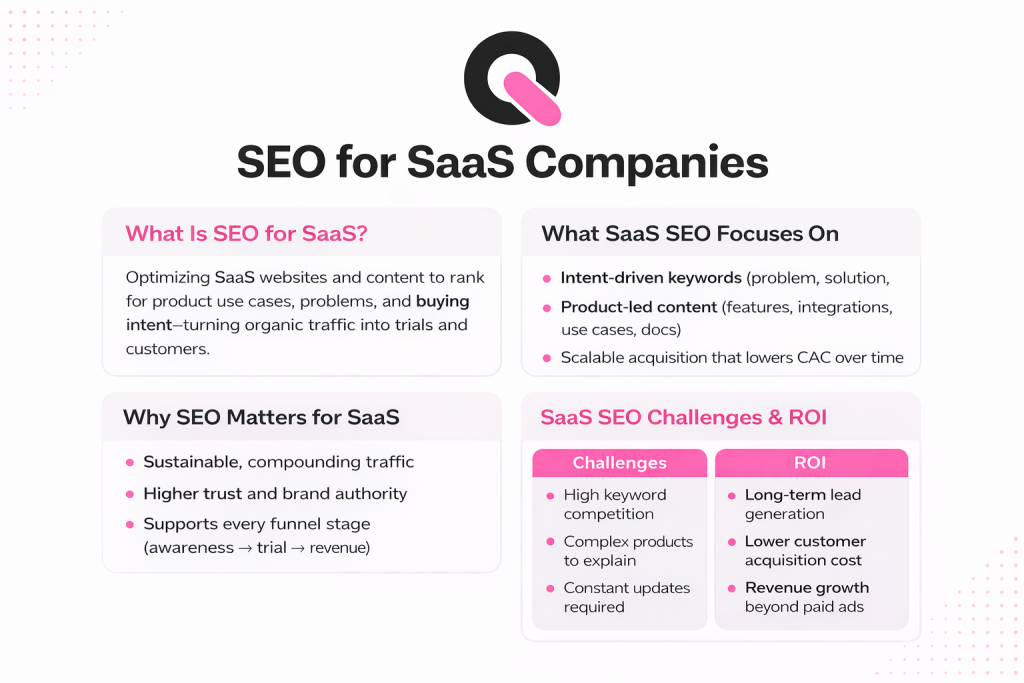
SEO for SaaS companies is the process of optimizing your website and content to rank for keywords tied to your product’s use cases, problems, and buying intent—so you consistently attract qualified users from organic search and turn them into trials or customers.
It focuses on:
- Intent-driven keywords (problem-aware, solution-aware, and comparison searches)
- Product-led content (feature pages, integrations, use cases, docs)
- Scalable acquisition that compounds over time and lowers CAC
Why SEO Matters for SaaS Businesses
SEO matters for SaaS businesses because it drives sustainable traffic, improves brand trust and authority, and supports every stage of the sales funnel. When SaaS companies optimize their online presence, they will increase their chances of being discovered by potential customers who are actively searching for the solutions they offer.
Moreover, a well-implemented SEO strategy helps SaaS businesses to:
- Enhance their website’s user experience, leading to higher engagement rates.
- Build credibility and trust with their target audience.
- Stay ahead of competitors in search engine rankings.
Unique SEO Challenges in the SaaS Industry
The SaaS industry faces unique SEO challenges, including high competition for keywords, the need for continuous content updates, and the complexity of explaining software solutions through content. To overcome these challenges, SaaS companies must adopt a comprehensive SEO strategy that includes thorough keyword research, high-quality content creation, and technical optimization.
Some of the specific challenges include:
- Competing with established brands for top search engine rankings.
- Creating content that resonates with a diverse target audience.
- Keeping up with the latest SEO trends and algorithm updates.
The ROI of SEO for SaaS
The return on investment (ROI) of SEO for SaaS companies can be significant. SEO for SaaS drives targeted traffic to their websites, and helps SaaS businesses generate leads, boost conversions, and ultimately increase revenue. Unlike paid advertising, the benefits of SEO are long-term, providing a sustainable source of traffic and leads.
To maximize the ROI of SEO, SaaS companies should focus on:
- Creating high-quality, relevant content that addresses the needs of their target audience.
- Optimizing their website for both search engines and users.
- Monitoring and adjusting their SEO strategy based on performance data.
Defining Your SaaS Content Strategy
To drive business results, SaaS companies must develop a content strategy that aligns with their overall objectives. A well-defined SaaS content strategy attracts and engages your target audience, driving conversions, and ultimately, revenue.
Aligning SEO Goals with Business Objectives
Align your SEO goals with your business objectives to maximize the impact of your content. This involves understanding your company’s overall mission, identifying key performance indicators (KPIs), and tailoring your SEO efforts to support these goals.
Key considerations for alignment include:
- Understanding your target audience and their search behaviors
- Identifying relevant keywords that align with your business objectives
- Developing content that addresses the needs and pain points of your audience
Creating a Content Calendar for SaaS
A content calendar is a tool for organizing and scheduling your content in advance. It helps ensure consistency, reduces last-minute scrambles, and allows for better planning and resource allocation.
Steps to create a content calendar:
- Identify key themes and topics relevant to your audience
- Plan and schedule content around these themes, considering seasonality and industry events
- Assign tasks and deadlines to team members
- Review and adjust the calendar regularly to reflect changes in strategy or audience needs
Resource Allocation for Content Creation
Effective resource allocation involves determining the right mix of human resources, technology, and budget to produce high-quality content that meets your objectives.
Considerations for resource allocation:
- Assessing the skills and capacities of your content team
- Investing in the necessary tools and technology for content creation and distribution
- Budgeting for external resources such as freelancers or agencies when needed
Conducting Effective Keyword Research for SaaS
Keyword research for SaaS helps companies identify and target relevant terms and phrases that potential customers use when searching for solutions like theirs.
Finding High-Value SaaS Keywords
Identify the right keywords for your SaaS company’s SEO strategy. High-value keywords are those that have a significant search volume, are relevant to your product or service, and have a reasonable level of competition.
Industry-Specific Terms
Using industry-specific terms can help SaaS companies attract targeted traffic. These terms are often used by potential customers who are familiar with the industry and are looking for specific solutions.
- Identify common industry terminology
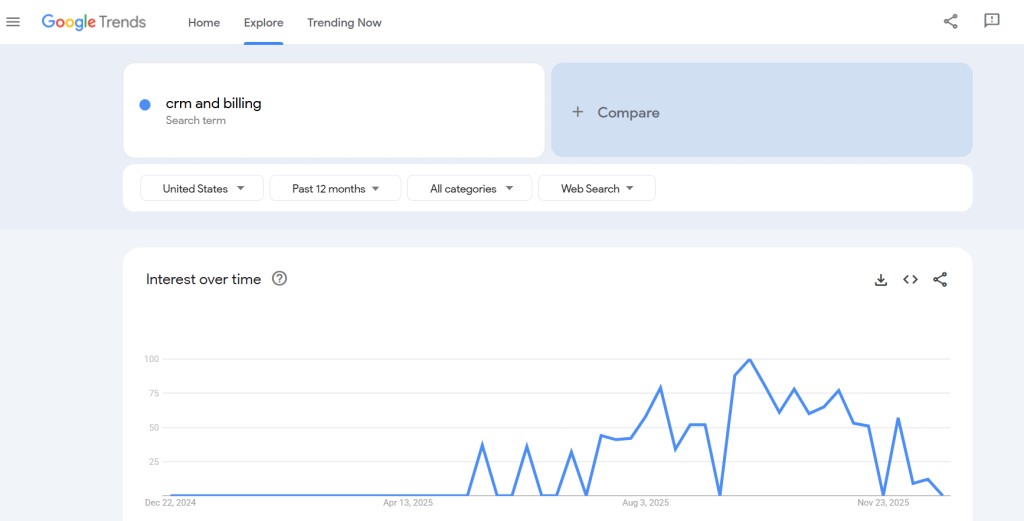
- Use tools like Google Trends to gauge popularity
- Analyze competitors’ keyword strategies
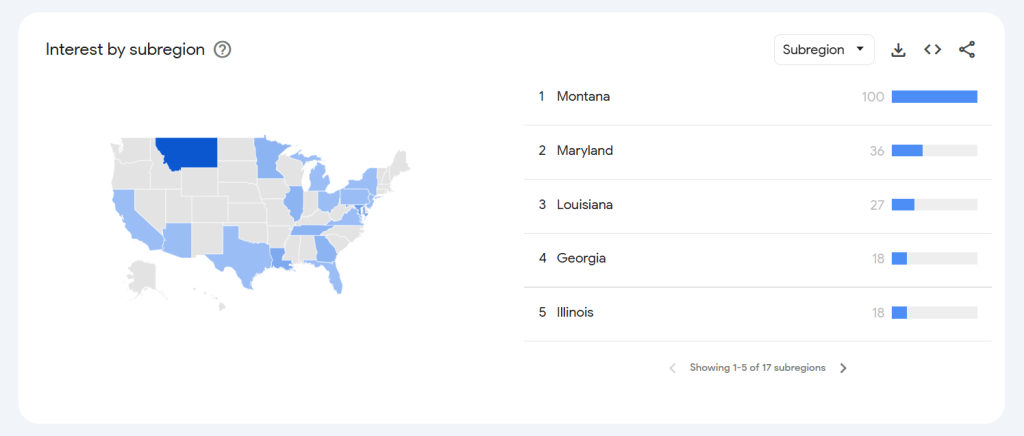
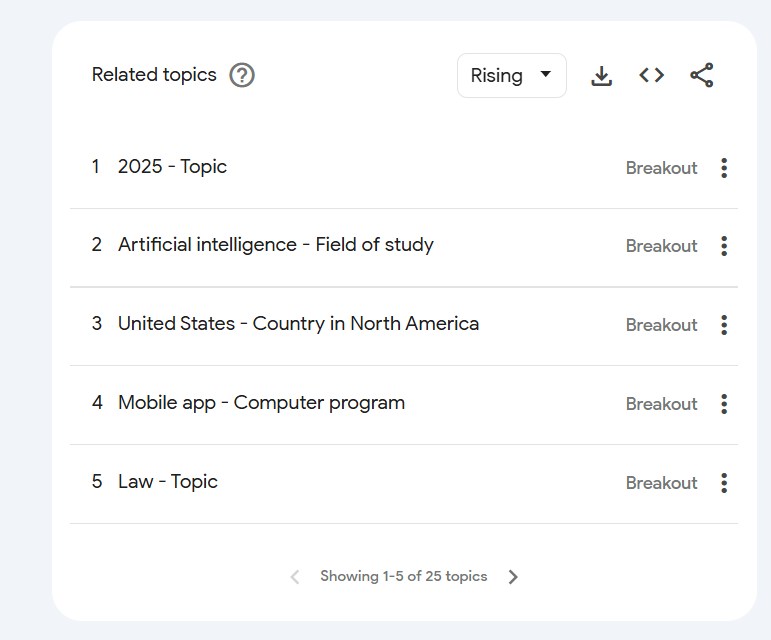
Example of metrics for the search term “crm and billing” for the US in Google Trends:
Problem-Solution Keywords
Problem-solution keywords are particularly valuable as they directly address the needs and pain points of potential customers. When SaaS companies target these keywords, they will position their products as solutions to specific problems.
- Conduct customer surveys to understand pain points
- Analyze customer support queries for common issues
- Create content that addresses these problems
Understanding Search Intent for SaaS Products
Understanding the search intent behind keywords helps in creating relevant and effective content. Search intent refers to the reason behind a user’s search query, whether it’s informational, navigational, or transactional.
For SaaS companies, understanding search intent can help in creating content that meets the needs of potential customers at different stages of the buyer’s journey.
Tools for SaaS Keyword Research
There are numerous tools available that can aid in SaaS keyword research. Some of the most popular include:
- Ahrefs
- SEMrush
- Moz Keyword Explorer
- Google Keyword Planner
These tools can help SaaS companies identify high-value keywords, analyze competitors, and track the performance of their keyword strategies.
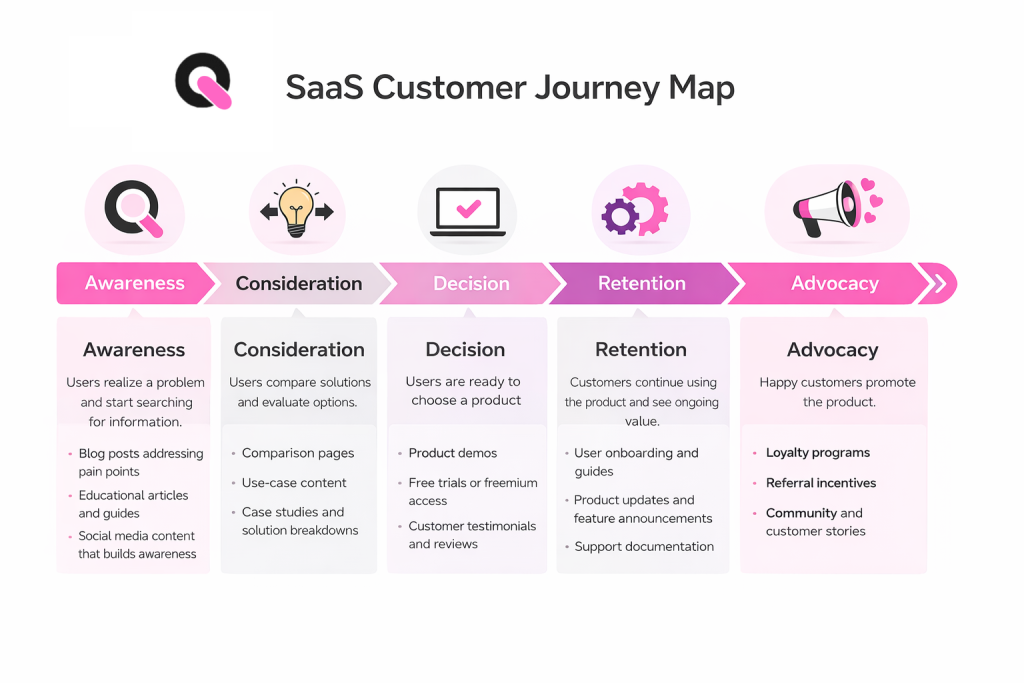
Mapping the SaaS Customer Journey
Crafting a successful SaaS content strategy begins with understanding the customer journey. The SaaS customer journey is a complex process that involves multiple stages, from the initial awareness stage to retention and advocacy. When SaaS companies map this journey, they will create targeted content that meets the needs of their audience at each stage.
Awareness Stage Content
At the awareness stage, potential customers are just beginning to understand their needs and are looking for solutions. Create informative and engaging content that addresses these needs. This can include blog posts, social media content, and educational resources that provide value to the audience.
- Blog posts that address common pain points
- Social media content that sparks engagement
- Educational resources such as eBooks and whitepapers
Consideration Stage Content
During the consideration stage, potential customers are evaluating different solutions to their problems. Comparative content and case studies can be particularly effective at this stage, helping potential customers understand the value proposition of the SaaS product.
| Content Type | Description | Example |
| Comparative Guides | Compares different solutions | “SaaS Product vs. Competitor: A Comparison” |
| Case Studies | Showcases success stories | “How Company X Achieved Success with Our SaaS” |
Decision Stage Content
At the decision stage, potential customers are ready to make a purchase. Content that highlights the unique selling points and benefits of the SaaS product can help tip the scales. This includes product demos, free trials, and customer testimonials.
- Product demos that showcase key features
- Free trials or freemium models to let customers experience the product
- Customer testimonials and reviews
Retention and Advocacy Content
After the decision stage, the focus shifts to retaining customers and turning them into advocates. Ongoing support and engagement can be achieved through regular updates, user guides, and loyalty programs.
- Regular product updates and new feature announcements
- User guides and support resources
- Loyalty programs and rewards for long-term customers
Creating SEO Content for SaaS Products
Effective SEO content for SaaS products starts with a deep understanding of product page optimization. Optimize product pages to improve visibility and drive conversions.
Product Pages Optimization
Product pages are often the most critical pages on a SaaS website, as they directly influence conversion rates. To optimize these pages, focus on both the technical and content aspects.
Feature Highlighting Techniques
Highlight the key features of your SaaS product. Use clear and concise language to describe each feature and its benefits. Consider using:
- Descriptive headings that include target keywords
- Bullet points to list features and benefits
- Images or videos to demonstrate the product in action
Benefit-Driven Copy
While features are important, the benefits they provide to customers are what drive purchasing decisions. Use benefit-driven copy to explain how your SaaS product solves problems or improves the customer’s situation.
Feature Pages That Convert
Feature pages should be designed to convert visitors into customers. This involves creating a clear call-to-action (CTA) and ensuring that the page is optimized for relevant keywords.
Some best practices include:
- Using a clear and prominent CTA
- Optimizing meta tags and headings with target keywords
- Including customer testimonials or reviews
Pricing Page Best Practices
The pricing page is another critical area where SEO content can make a significant difference. Ensure that your pricing page is:
- Clear and easy to understand
- Optimized for relevant long-tail keywords (e.g., “SaaS product pricing plans”)
- Includes a comparison or feature table to help customers make informed decisions
With the focus on these areas, SaaS companies can improve their product page optimization, drive more conversions, and ultimately enhance their SEO efforts.
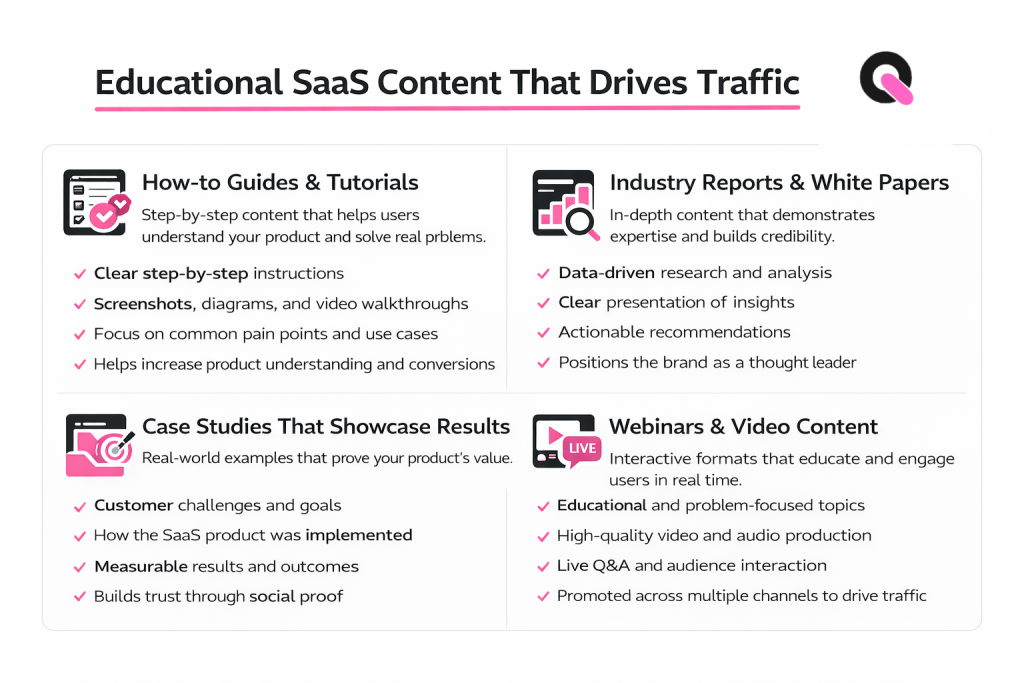
Developing Educational Content That Drives Traffic
Educational content serves as a valuable resource for potential customers, providing them with the information they need to make informed decisions.
How-to Guides and Tutorials
How-to guides and tutorials are effective tools for educating users about SaaS products. These resources help potential customers understand the features and benefits of a product, increasing the likelihood of conversion.
- Create step-by-step instructions that are easy to follow.
- Use visual aids like screenshots and videos to enhance understanding.
- Focus on solving common problems or pain points for your target audience.
When SaaS companies offer comprehensive guides, they can establish themselves as thought leaders in their industry.
Industry Reports and White Papers
Industry reports and white papers provide in-depth analysis and insights into specific topics relevant to the SaaS industry. These documents help businesses demonstrate their expertise and build credibility.
Key elements of effective industry reports include:
- Thorough research and data analysis.
- Clear and concise presentation of findings.
- Actionable recommendations for readers.
With the publishing of high-quality reports, SaaS companies can attract potential customers and foster trust.
Case Studies That Showcase Results
Case studies are powerful tools for demonstrating the value of a SaaS product. They provide real-world examples of how a product has helped other businesses achieve their goals.
Webinars and Video Content
Webinars and video content offer interactive and engaging ways to educate audiences. They allow SaaS companies to connect with potential customers in real-time, addressing questions and concerns directly.
- Plan engaging topics that resonate with your target audience.
- Use high-quality production values to enhance viewer experience.
- Promote webinars through multiple channels to maximize attendance.
With webinars and video content, businesses can build stronger relationships with their audience and drive traffic to their websites.
Optimizing Blog Content for SaaS SEO
A well-optimized blog can significantly improve search engine rankings, leading to increased brand awareness and potential conversions.
Blog Structure Best Practices
A well-structured blog post is important for both user experience and SEO. Here are some best practices to follow:
- Use a clear and concise title that includes your target keyword.
- Organize your content with headings (H1, H2, H3, etc.) to improve readability.
- Keep your paragraphs short and focused on one main idea.
- Utilize bullet points or numbered lists to present complex information in an easily digestible format.
Incorporating Keywords Naturally
Incorporate relevant keywords into your blog content, but do so in a natural and organic way. Avoid keyword stuffing, as it can lead to penalties from search engines. Instead, focus on creating high-quality content that addresses the needs of your audience.
Some tips for natural keyword incorporation include:
- Conduct thorough keyword research to identify relevant terms and phrases.
- Use keywords in your title, headings, and throughout your content, but maintain a natural flow.
- Consider using synonyms and related terms to add variety and depth to your content.
Internal Linking Strategies
Internal linking is a powerful SEO strategy that can help improve your website’s structure and user experience. When you link to other relevant pages on your site, you can:
- Enhance user engagement and provide additional resources and information.
- Help search engines understand your site’s hierarchy and content.
- Distribute link equity and potentially improve rankings for targeted pages.
Content Freshness and Updates
Keep your blog content fresh and up-to-date to maintain and improve your search engine rankings. Regular updates signal to search engines that your site is active and relevant.
Some strategies for maintaining content freshness include:
- Regularly reviewing and updating existing content to ensure it remains relevant and accurate.
- Publishing new content on a consistent schedule to keep your audience engaged.
- Repurposing old content into new formats, such as turning a blog post into a video or infographic.
Technical SEO Considerations for SaaS Websites
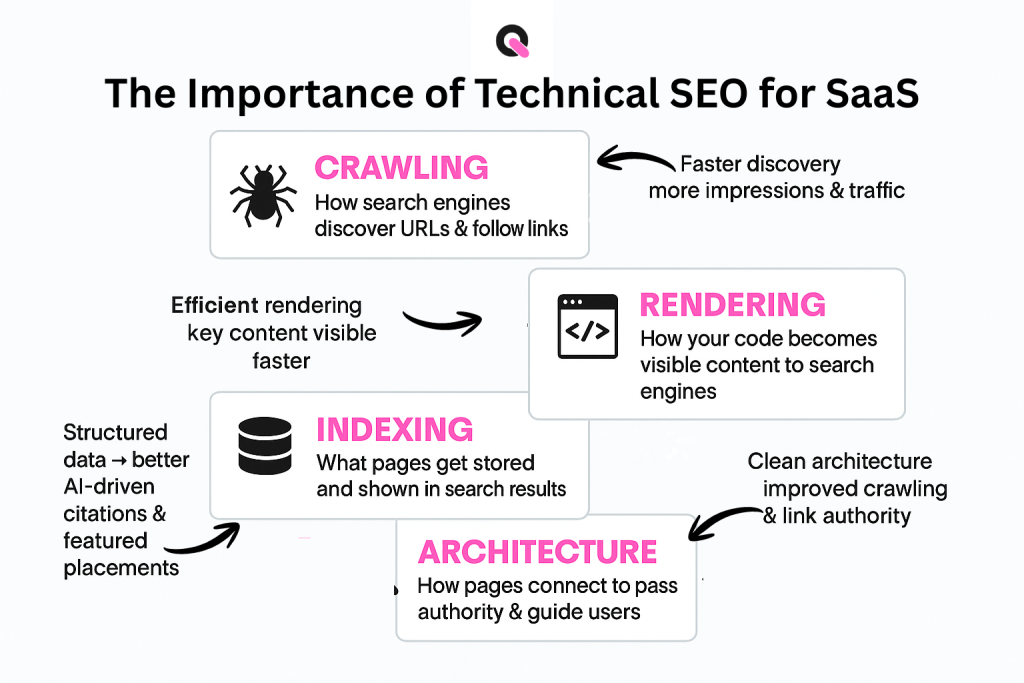
SaaS companies must prioritize technical SEO to improve their website’s visibility and drive more traffic. Technical SEO for SaaS ensures that a website is crawlable, indexable, and user-friendly, which are key factors in search engine ranking algorithms.
Site Speed Optimization
Site speed is a critical factor in both user experience and search engine rankings. A slow-loading website can lead to higher bounce rates and lower conversion rates. To optimize site speed:
- Use a content delivery network (CDN) to reduce latency.
- Optimize images and compress them without compromising quality.
- Minify CSS, JavaScript, and HTML files to reduce file sizes.
- Leverage browser caching to store frequently-used resources.
Impact of Site Speed on SEO: Faster websites are more likely to rank higher in search engine results pages (SERPs).
Mobile Responsiveness
With the majority of internet users accessing websites through mobile devices, having a mobile-responsive design is no longer optional. It ensures that your website provides a seamless user experience across different screen sizes and devices.
Key Aspects of Mobile Responsiveness:
- Flexible grid systems that adapt to different screen sizes.
- Images that scale appropriately.
- Content that is easily accessible on smaller screens.
Structured Data for SaaS
Structured data helps search engines understand the context and content of your website, improving how it is represented in search results. For SaaS companies, this can mean enhanced visibility through rich snippets.
Types of Structured Data:
- Schema.org markup for reviews, events, and more.
- JSON-LD for representing complex data structures.
Indexation and Crawlability
Ensuring that your website is crawlable and indexable is fundamental to SEO. This involves optimizing your website’s architecture and content to make it easy for search engines to discover and index your pages.
Best Practices:
- Use a clear and consistent URL structure.
- Implement a logical internal linking strategy.
- Submit a sitemap to help search engines discover new content.
On-Page SEO Elements for SaaS Content
Effective on-page SEO is the backbone of a successful digital marketing strategy for SaaS companies. With the optimization of key elements on their web pages, SaaS businesses can improve their search engine rankings, drive more qualified traffic, and ultimately boost conversions.
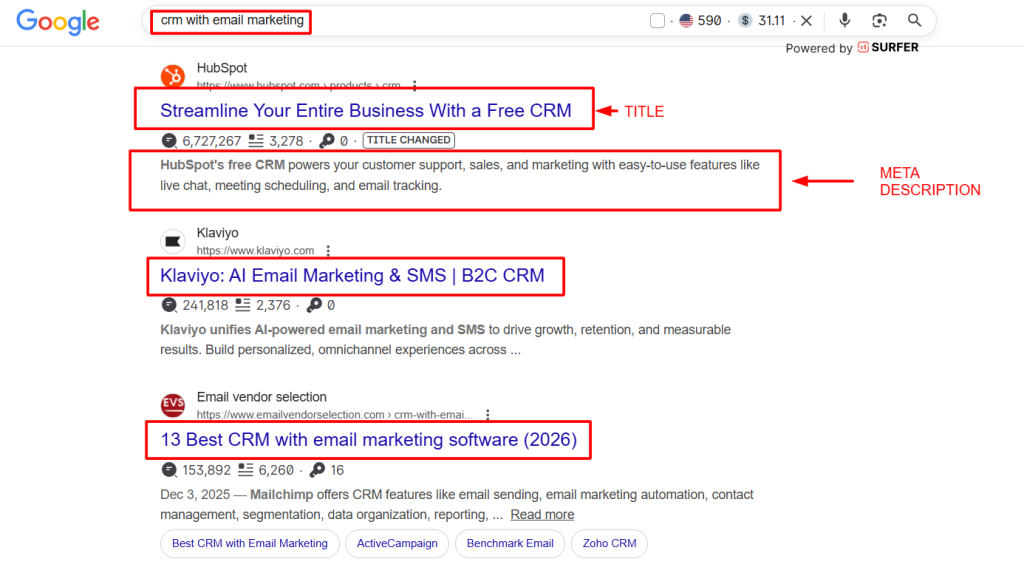
Title Tags and Meta Descriptions
Title tags are a critical on-page SEO element as they tell search engines what a page is about. They should be descriptive, include target keywords, and be under 60 characters to ensure they display fully in search results. Meta descriptions, while not a direct ranking factor, influence click-through rates. They should be compelling, include target keywords, and be between 150-160 characters.
- Ensure title tags are descriptive and keyword-rich.
- Craft meta descriptions that are compelling and include target keywords.
- Use tools like Google Search Console to monitor click-through rates and adjust title tags and meta descriptions accordingly.
Header Tags Hierarchy
A well-structured header tags hierarchy is important for both user experience and SEO. The H1 tag should be used for the main title of a page, with H2, H3, and subsequent tags used for subheadings. This structure helps search engines understand the content and context of a page.
- Use H1 tags for the main title of each page.
- Organize content with H2 and H3 tags for subheadings.
- Avoid overusing header tags; use them to structure content logically.
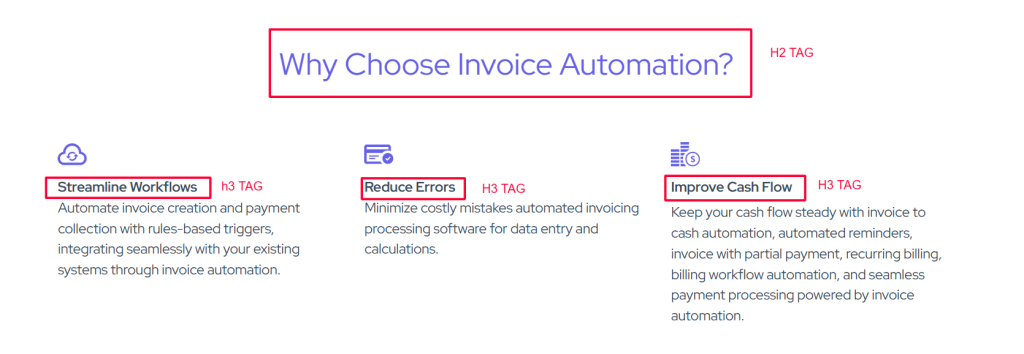
Image Optimization
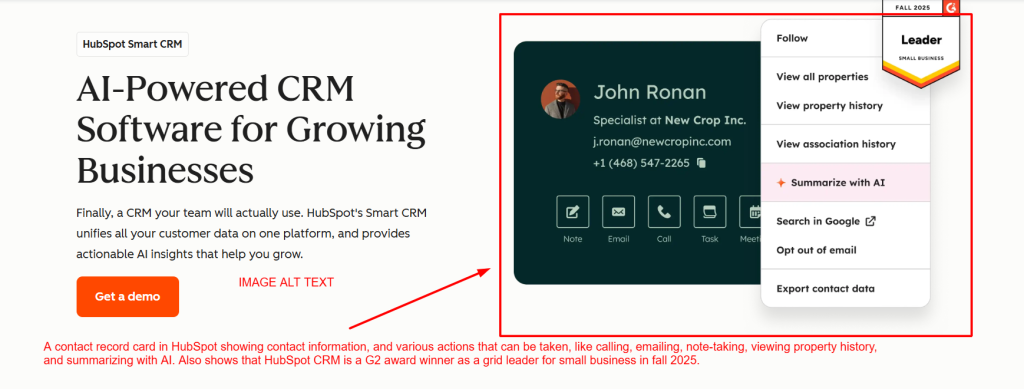
Images can enhance user experience, but they must be optimized for SEO. This includes using descriptive file names, alt tags, and compressing images to reduce file size and improve page load times.
- Use descriptive file names for images that include target keywords.
- Write alt tags that describe the image and include target keywords where relevant.
- Compress images to reduce file size without compromising quality.
URL Structure Best Practices
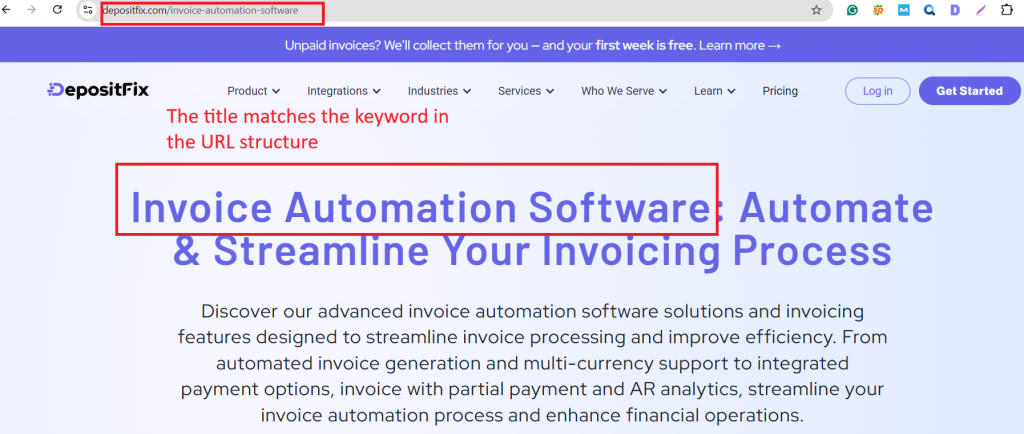
A well-structured URL should be descriptive, concise, and include target keywords. Avoid using unnecessary characters or numbers.
- Keep URLs concise and descriptive.
- Include target keywords in URLs where possible.
- Avoid using special characters or unnecessary numbers in URLs.
Creating Content for Different Stages of the Sales Funnel
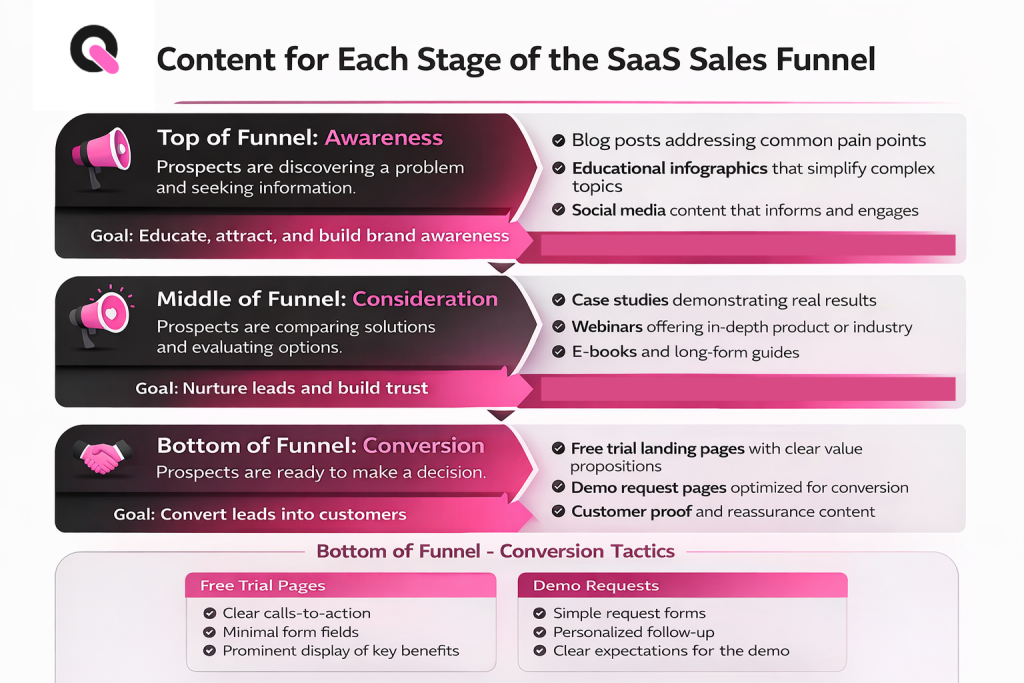
Craft content that resonates with different stages of the sales funnel to drive conversions. The sales funnel represents the customer’s journey from initial awareness to conversion, and tailoring content to each stage can significantly enhance the user experience and ultimately drive sales.
Top of Funnel Content Strategies
At the top of the funnel, potential customers are just becoming aware of their needs or problems. Content here should focus on educating the audience and building brand awareness. Effective strategies include creating informative blog posts that address common pain points, engaging infographics that simplify complex information, and social media content that engages and informs.
- Blog posts that address common pain points
- Infographics that simplify complex information
- Social media content that engages and informs
Middle of Funnel Content Approaches
In the middle of the funnel, prospects are considering solutions. Content should nurture leads and provide more detailed information about potential solutions. This can be achieved through case studies that demonstrate success, webinars that offer in-depth knowledge, and e-books that provide comprehensive guides.
- Case studies that demonstrate success
- Webinars that offer in-depth knowledge
- E-books that provide comprehensive guides
Bottom of Funnel Conversion Content
At the bottom of the funnel, prospects are ready to make a decision. Content here should focus on converting leads into customers and providing clear calls-to-action and addressing any remaining concerns.
Free Trial Landing Pages
Free trial landing pages should clearly communicate the value proposition and make it easy for prospects to start their trial. Key elements include clear calls-to-action, minimal form fields to reduce friction, and a prominent display of key benefits.
- Clear calls-to-action
- Minimal form fields to reduce friction
- Prominent display of key benefits
Demo Request Optimization
Optimizing demo requests involves making the process as straightforward as possible while ensuring that the sales team is well-prepared to convert the lead. This includes simple demo request forms, personalized follow-up, and clear communication of what to expect during the demo.
- Simple demo request forms
- Personalized follow-up
- Clear communication of what to expect during the demo
Using Social Proof in Your SEO Content
Social proof is a powerful tool that can significantly influence potential customers’ decisions, as it showcases the positive experiences of existing customers.
When you incorporate various forms of social proof into your SEO content, you can enhance your brand’s reputation and attract more leads. Here are some effective strategies to achieve this.
Incorporating Customer Testimonials
Customer testimonials are a direct way to demonstrate the value of your SaaS product. They provide potential customers with real-life examples of how your product has helped others, building trust and credibility.
- Collect testimonials from satisfied customers and showcase them on your website.
- Use specific numbers and metrics wherever possible to quantify the benefits experienced by your customers.
- Ensure that testimonials are prominently displayed on relevant pages, such as product pages and landing pages.
Showcasing Industry Awards and Recognition
Industry awards and recognition can significantly boost your SaaS company’s credibility. They serve as an independent endorsement of your product’s quality and effectiveness.
To effectively showcase industry awards:
- Display award logos prominently on your website, particularly on the homepage and about page.
- Write a press release or blog post announcing the award to further amplify its impact.
- Use the award in your marketing materials and sales conversations to build credibility.
Integration with Review Platforms
Integrating your SaaS product with review platforms can help increase visibility and credibility. Potential customers often look at reviews on platforms like G2, Capterra, and Trustpilot to inform their purchasing decisions.
To maximize the benefits of review platforms:
- Encourage satisfied customers to leave reviews on these platforms.
- Respond promptly to both positive and negative reviews to demonstrate your commitment to customer satisfaction.
- Monitor your reviews regularly to identify areas for improvement and to stay informed about customer sentiment.
With the use of social proof through customer testimonials, industry awards, and review platforms, SaaS companies can significantly enhance their credibility and attract more customers. This, in turn, can lead to increased conversions and revenue.
Building Authority Through Thought Leadership
Thought leadership is a powerful strategy that enables SaaS businesses to build credibility and authority in their industry. SaaS companies canestablish them as experts and differentiate their brand, foster trust with potential customers, and ultimately drive business growth.
Guest Posting Strategies
Guest posting is an effective way to demonstrate thought leadership by contributing valuable content to reputable industry publications. To maximize the impact of guest posting, SaaS companies should focus on:
- Identifying relevant publications that align with their target audience and industry niche.
- Crafting high-quality, informative content that showcases their expertise.
- Including a compelling author bio that highlights their company’s achievements and expertise.
When you consistently publish guest posts, you will increase their visibility, build backlinks to their website, and reinforce their position as industry thought leaders.
Creating Expert Roundups
Expert roundups involve gathering insights and opinions from multiple industry experts and compiling them into a single, comprehensive piece of content. This strategy not only provides valuable information to readers but also helps SaaS companies build relationships with other industry leaders.
To create effective expert roundups, consider the following:
- Selecting a relevant topic that resonates with your target audience.
- Reaching out to a diverse group of experts to gather a range of perspectives.
- Presenting the findings in an engaging and easily digestible format.
Developing Industry Research
Conducting and publishing original research is a powerful way for SaaS companies to demonstrate their expertise and thought leadership. When businesses investigate industry trends, challenges, and innovations, they can provide unique insights that resonate with their audience.
When developing industry research:
- Identify a research topic that is both relevant and timely.
- Employ rigorous methodologies to ensure the accuracy and reliability of the findings.
- Present the research in a clear, accessible format, using visualizations such as charts and graphs to enhance understanding.
Speaking Engagements and Events
Speaking at industry events, conferences, and webinars is an effective way for SaaS companies to showcase their thought leadership and connect with their audience. When businesses share their expertise and experiences, they can build credibility and establish themselves as authorities in their field.
To maximize the impact of speaking engagements, consider the following strategies:
- Selecting events that align with your company’s brand and target audience.
- Crafting presentations that are informative, engaging, and relevant to the audience.
- Leveraging these opportunities to network with other professionals and potential customers.
Content Distribution Strategies for SaaS
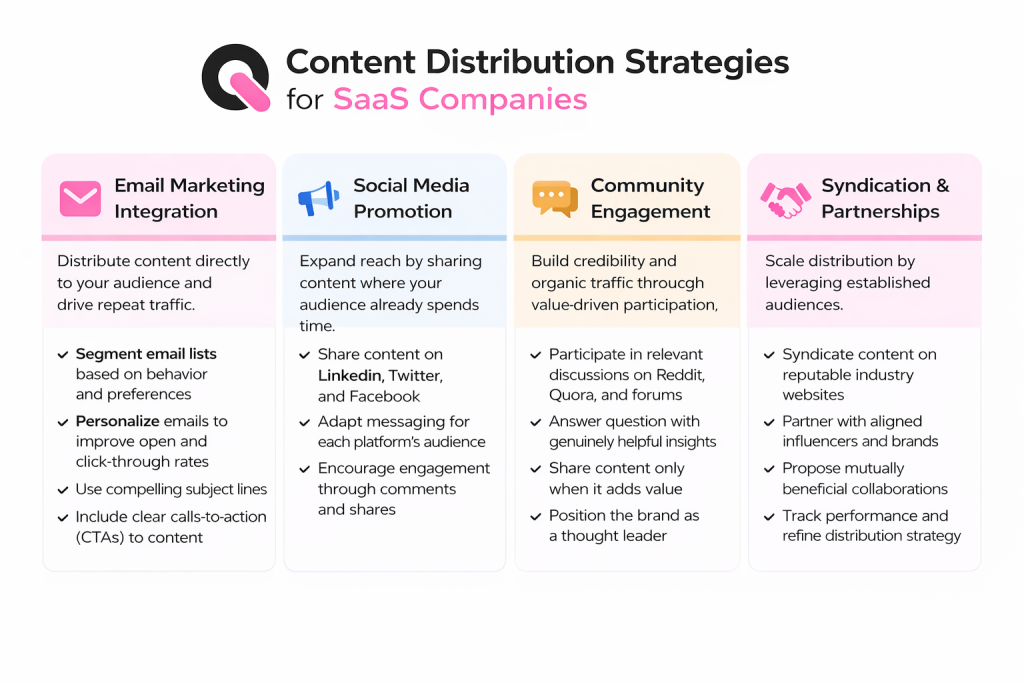
Effective content distribution expands the audience and drives more traffic to the websites.
Email Marketing Integration
Email marketing remains one of the most effective channels for content distribution. When you integrate your content into email marketing campaigns, you can reach your audience directly and encourage engagement. Segmenting your email list based on user behavior and preferences can significantly enhance the effectiveness of your email marketing efforts.
- Personalize your emails to improve open rates and click-through rates.
- Use compelling subject lines that resonate with your audience.
- Include clear calls-to-action (CTAs) to drive traffic to your content.
Social Media Promotion
Social media platforms offer a vast opportunity for SaaS companies to promote their content. Share your content on platforms like LinkedIn, Twitter, and Facebook to reach a broader audience. Tailoring your content to each platform’s unique audience can improve engagement.
| Platform | Content Type | Best Time to Post |
| Professional, industry-related content | During business hours | |
| Short, engaging updates | Peak hours (12 pm – 3 pm) | |
| Diverse content types | Evening hours (6 pm – 9 pm) |
Community Engagement
Engaging with online communities related to your industry can be a powerful way to distribute your content. Participate in discussions on platforms like Reddit, Quora, and industry-specific forums to build credibility and drive traffic to your content. Providing value through insightful comments and sharing relevant content can help establish your brand as a thought leader.
Syndication and Partnerships
Syndicating your content on other reputable websites and forming partnerships with industry influencers can significantly expand your reach. When you collaborate with influencers, you can tap into their audience and gain credibility by association. Choose partners that align with your brand values.
- Identify potential partners and influencers in your industry.
- Propose mutually beneficial collaboration ideas.
- Monitor the performance of syndicated content and adjust strategies accordingly.
With the implementation of these content distribution strategies, SaaS companies can enhance their online presence, drive more traffic, and ultimately achieve their business objectives.
Measuring SEO Content Performance
Accurately measuring SEO content performance allows SaaS companies to optimize their content for better results. To achieve this, track key metrics, utilize the right tools, and apply effective analysis frameworks.
Key Metrics to Track
Track the right metrics to understand the SEO content performance. This involves monitoring both traffic and engagement metrics, as well as conversion metrics.
Traffic and Engagement Metrics
Traffic metrics, such as organic traffic volume and page views, indicate how many users are accessing your content. Engagement metrics, including time on page, bounce rate, and scroll depth, reveal how users interact with your content.
- Organic traffic volume
- Page views
- Time on page
- Bounce rate
- Scroll depth
Conversion Metrics
Conversion metrics help you understand the impact of your SEO content on business objectives. These include metrics such as form submissions, demo requests, and sales.
- Form submissions
- Demo requests
- Sales
Tools for Monitoring SEO Success
Several tools can help SaaS companies monitor their SEO success. These include Google Analytics, SEMrush, and Ahrefs, which provide insights into traffic, rankings, and backlinks.
| Tool | Key Features |
| Google Analytics | Traffic analysis, conversion tracking |
| SEMrush | Technical SEO audit, competitor analysis |
| Ahrefs | Backlink analysis, keyword research |
Reporting and Analysis Frameworks
To effectively analyze SEO content performance, SaaS companies should establish regular reporting and analysis frameworks. This involves setting up monthly SEO reports and conducting quarterly performance reviews.
This way, companies can identify areas for improvement and adjust their SEO strategies accordingly.
Common SEO Content Mistakes SaaS Companies Make
Avoiding these common SaaS SEO mistakes will improve the SEO performance and ensure that the content resonates with the target audience.
Overlooking Technical Foundations
A solid technical foundation includes ensuring that the website is mobile-responsive, has a secure connection (HTTPS), and loads quickly. Site speed optimization is particularly important, as slow-loading sites can lead to higher bounce rates and lower search engine rankings.
- Ensure mobile responsiveness to cater to the majority of users accessing the site via mobile devices.
- Implement HTTPS to secure the site and protect user data.
- Optimize images and leverage browser caching to improve site speed.
Neglecting Competitor Analysis
Understanding what competitors are doing can provide valuable insights into gaps in the market and opportunities to outrank them. Competitor analysis involves analyzing their content strategy, keyword usage, and backlink profiles.
To conduct a competitor analysis, identify key competitors, analyze their strengths and weaknesses, and develop a strategy to outperform them.
Focusing on Quantity Over Quality
While producing a high volume of content might seem like an effective strategy, quality always trumps quantity when it comes to SEO. High-quality content is more likely to engage users, earn backlinks, and rank higher in search engines.
To prioritize quality, focus on creating well-researched, informative, and engaging content that addresses the needs of your target audience.
Ignoring User Experience Factors
User experience (UX) is a critical factor in SEO, as search engines favor sites that provide a good UX. This includes having an intuitive navigation, clear content, and a responsive design.
To improve UX, ensure that your site is easy to navigate, content is readable and accessible, and that it performs well across different devices.
How Queen of Clicks Helps SaaS Companies Excel at SEO
At Queen of Clicks, we specialize in helping SaaS companies excel at SEO. Our team of experts understands the unique challenges faced by SaaS businesses and provides tailored solutions to improve their online visibility and drive more qualified leads.
Comprehensive SaaS SEO Services
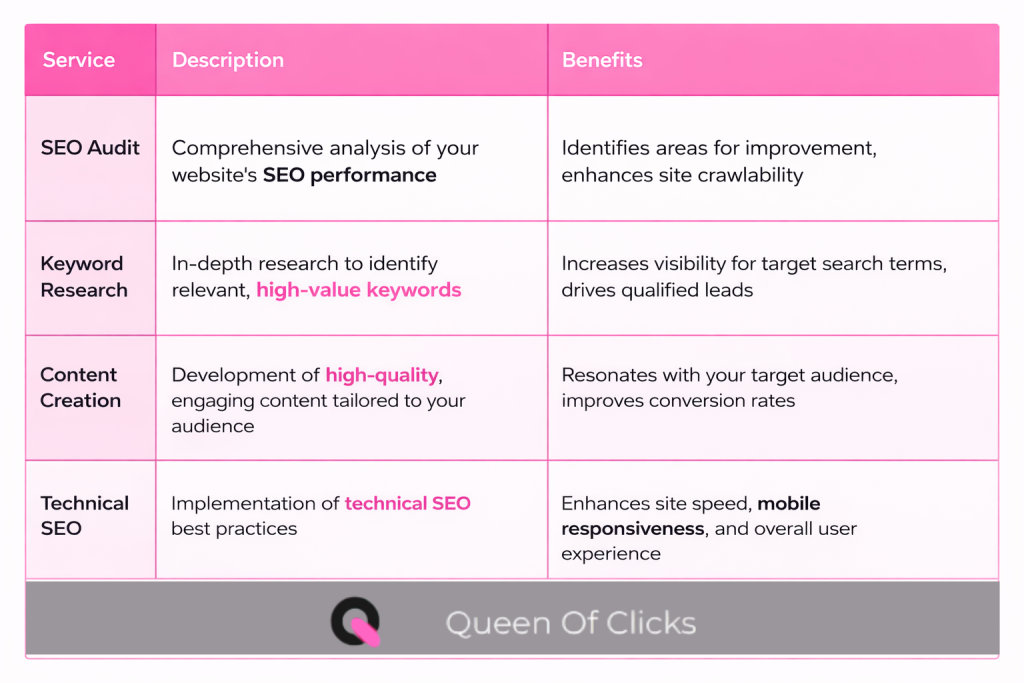
Queen of Clicks offers a range of SaaS SEO services designed to enhance your online presence. Our services include:
- Audit and analysis of your current SEO strategy
- Keyword research to identify high-value search terms
- Content creation that resonates with your target audience
- Technical SEO implementation to improve site crawlability and indexation
Our approach is designed to be collaborative, working closely with your team to understand your business goals and develop an SEO strategy that aligns with your objectives.
With Queen of Clicks, SaaS companies can benefit from our expertise and experience in driving SEO success. We invite you to book a strategy call with us to discuss how we can help your business grow online.
Conclusion
A successful SaaS SEO content strategy involves understanding the unique challenges and opportunities in the industry. With a clear content strategy, conducting thorough keyword research, and creating high-quality SEO content, SaaS companies can improve their online visibility and attract potential customers.
With the strategies outlined in this guide, SaaS companies can enhance their SEO efforts and drive long-term growth. For businesses looking to excel at SEO, partnering with a trusted expert like Queen of Clicks can provide valuable insights and support to help achieve their online marketing goals.
FAQs
How Long Does It Take for SaaS SEO Content to Show Results?
Most SaaS companies start seeing early traction (impressions, ranking movement) within 2–3 months, but meaningful traffic and lead impact usually takes 4–6 months. Competitive keywords, product complexity, and domain authority heavily influence timelines.
Should SaaS SEO Content Be Written by Marketers or Product Experts?
The best-performing SaaS SEO content combines both. Marketers ensure search intent and structure are correct, while product experts add depth, accuracy, and real use cases. Content written without product input often ranks but fails to convert.
Is SEO Content Still Worth It for SaaS Companies Using Paid Ads?
Yes, SEO content supports paid ads rather than replaces them. Buyers often click ads, then research organically before converting. Strong SEO content increases trust, improves conversion rates, and lowers overall CAC by supporting paid and outbound channels.
How Do You Update Old SaaS Content Without Losing Rankings?
To update content, improve clarity, add new sections, refresh examples, and align with current product capabilities, without changing the URL or core topic. Small, meaningful updates often improve rankings instead of hurting them.
What Makes SaaS SEO Content “High-Converting”?
High-converting SaaS SEO content:
- Matches a clear search intent
- Shows the product naturally (not aggressively)
- Uses real workflows, screenshots, or examples
- Includes a relevant CTA (trial, demo, guide)
Ranking alone doesn’t drive growth—conversion alignment does.